
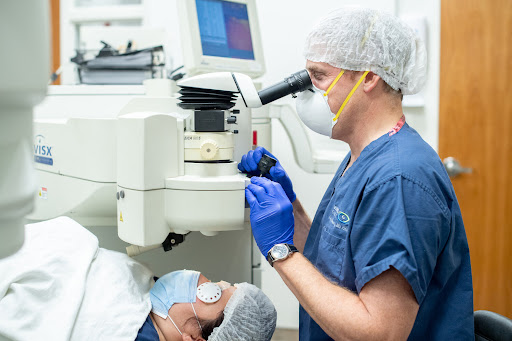
In recent years, laser eye surgery has become a popular choice for those seeking to improve their vision. With various options available, it is essential to understand which type of laser eye surgery aligns best with your lifestyle and vision needs. This article aims to explore the different types of laser eye surgery, their benefits, and how to choose the right one for you.
Understanding Laser Eye Surgery
Laser eye surgery encompasses a range of procedures designed to correct vision problems such as myopia (short-sightedness), hyperopia (long-sightedness), and astigmatism. The most common types include LASIK, LASEK, and SMILE. Each method employs laser technology to reshape the cornea, allowing light to focus correctly on the retina.
Choosing the best laser eye surgery option for your lifestyle requires careful consideration of various factors, including your vision needs, lifestyle, and personal preferences. By understanding the different types of laser eye surgery and consulting with a qualified eye care professional, individuals can make informed decisions that align with their unique circumstances.
The Basics of LASIK
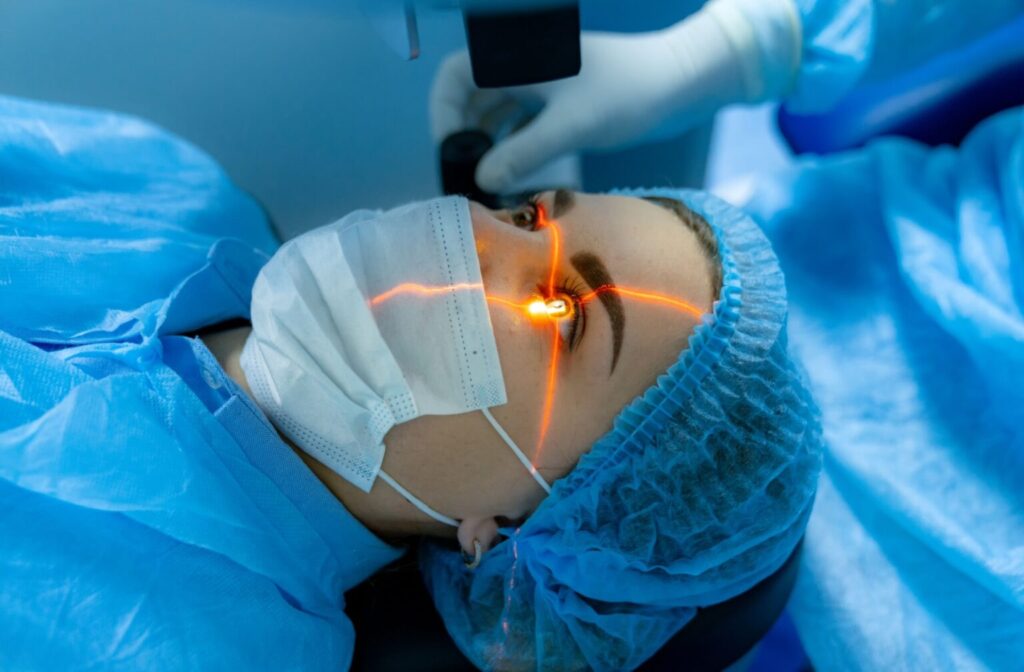
LASIK, or Laser-Assisted In Situ Keratomileusis, is one of the most widely performed laser eye surgeries. During this procedure, a thin flap is created on the cornea, which is then lifted to allow the laser to reshape the underlying corneal tissue. The flap is replaced after the laser treatment, promoting rapid healing and minimal discomfort.
One of the primary advantages of LASIK is its speed; the entire procedure typically takes less than 30 minutes, with many patients experiencing improved vision almost immediately. However, it is crucial to consult with an eye care professional to determine if you are a suitable candidate, as factors such as corneal thickness and overall eye health play a significant role. Moreover, the advancements in technology have led to the development of wavefront-guided LASIK, which customises the treatment based on the unique imperfections of an individual’s eye, potentially enhancing the quality of vision even further.
LASEK: A Gentle Alternative
LASEK, or Laser Epithelial Keratomileusis, is another popular option that may be suitable for individuals with thinner corneas or those who are not ideal candidates for LASIK. This procedure involves the use of alcohol to loosen the epithelial layer of the cornea, which is then pushed aside before the laser treatment. After reshaping the cornea, the epithelial layer is repositioned for healing.
While LASEK may involve a longer recovery time compared to LASIK, it offers a gentler approach with less risk of complications related to the corneal flap. Patients can expect to experience some discomfort during the initial healing phase, but this typically subsides within a few days. Additionally, LASEK can be beneficial for those who are involved in contact sports or activities where the risk of eye injury is higher, as it eliminates the concerns associated with a corneal flap that could be dislodged.
Learn more on: A Comprehensive Guide to Laser Eye Surgery Sydney Clinics
SMILE: The Newest Innovation
SMILE, or Small Incision Lenticule Extraction, is a relatively new technique that has gained popularity for its minimally invasive nature. During this procedure, a laser is used to create a small lens-shaped piece of tissue within the cornea, which is then removed through a tiny incision. This method preserves more corneal tissue and may result in less post-operative dryness compared to LASIK.
SMILE is particularly appealing for those with active lifestyles, as the small incision reduces the risk of complications associated with flap creation. Furthermore, the technique is designed to maintain the structural integrity of the cornea, which can be advantageous for patients who may require future eye surgeries or enhancements. As with any surgical procedure, it is essential to consult with an experienced eye surgeon to assess your specific needs and suitability for this option. The ongoing research and development in this field continue to refine these procedures, promising even better outcomes and safety for patients in the future.
Assessing Your Lifestyle Needs
When considering laser eye surgery, it is vital to evaluate your lifestyle and how each procedure may impact your daily activities. Factors such as your occupation, hobbies, and overall health can influence your decision.
Active Lifestyles
For individuals who lead active lifestyles, such as athletes or those who frequently engage in outdoor activities, choosing a procedure that minimises recovery time and complications is crucial. SMILE may be the ideal choice, as it involves a smaller incision and less risk of flap-related issues. Additionally, the quick recovery associated with LASIK can also be advantageous for those who cannot afford extended downtime. Furthermore, the ability to return to sports or outdoor pursuits sooner can significantly enhance one’s quality of life, allowing for uninterrupted training or enjoyment of recreational activities. Many athletes report a newfound freedom after surgery, no longer hindered by glasses or contact lenses, which can be particularly cumbersome during physical exertion. Read more about complications at https://medicine.uams.edu/pediatrics/specialties/sections/adolescent-medicine/patient-care/eating-disorders/medical-complications/
Occupational Considerations
Your profession may also dictate the best laser eye surgery option for you. For example, individuals working in environments with dust, chemicals, or other irritants may benefit from LASEK, as it eliminates the risk of flap dislocation. Conversely, those in office settings may find LASIK to be a suitable choice due to its rapid recovery time and immediate visual improvement. Moreover, professions that require precise vision, such as pilots or surgeons, may necessitate a thorough discussion with an eye care professional to determine the most suitable procedure. The implications of visual clarity on job performance cannot be overstated, and ensuring that your choice of surgery aligns with your professional demands is essential for long-term satisfaction.
Personal Preferences and Comfort
Understanding personal comfort levels with surgical procedures is another vital aspect to consider. Some individuals may feel anxious about the idea of a flap being created, making LASEK or SMILE more appealing. Others may prioritise speed and opt for LASIK. It is essential to discuss these preferences with your eye surgeon to ensure the chosen procedure aligns with your comfort and expectations. Additionally, the emotional aspect of undergoing surgery should not be overlooked; many patients find reassurance in knowing that they can communicate openly with their surgeon about their fears and concerns. This dialogue can lead to a more tailored surgical experience, where the patient feels empowered and informed, ultimately contributing to a more positive outcome.
Consultation and Evaluation
Before committing to any laser eye surgery, a comprehensive consultation with an eye care professional is necessary. This evaluation will include a thorough examination of your eyes, a discussion of your medical history, and an assessment of your vision needs.
Comprehensive Eye Examination
A comprehensive eye examination is crucial in determining your suitability for laser eye surgery. This examination typically includes measuring your corneal thickness, assessing your refractive error, and evaluating your overall eye health. Advanced diagnostic tools, such as corneal topography and wavefront analysis, may also be utilised to provide a detailed understanding of your vision. These technologies allow the surgeon to map the unique contours of your cornea, ensuring that the laser treatment is tailored specifically to your eye’s requirements. This personalised approach not only enhances the accuracy of the procedure but also significantly improves the chances of achieving optimal visual outcomes.
Understanding Risks and Benefits
During the consultation, it is essential to discuss the risks and benefits associated with each procedure. While laser eye surgery is generally safe, potential complications can arise, including dry eyes, glare, and under or over-correction of vision. Understanding these risks will help you make an informed decision and set realistic expectations for the outcome of your surgery. It is also important to consider the long-term benefits of the procedure, such as the potential for reduced dependence on glasses or contact lenses, which can lead to a more active lifestyle and increased confidence in daily activities.
Setting Realistic Expectations
Setting realistic expectations is crucial for a successful laser eye surgery experience. While many patients achieve 20/25 vision or better, individual results may vary. Discussing your goals and expectations with your eye surgeon will help ensure that you are well-informed and prepared for the post-operative recovery process. Additionally, it is worth noting that the healing process can differ from person to person; some may experience immediate improvements in their vision, while others might take a few weeks to notice significant changes. Understanding this variability is essential in fostering a positive outlook as you embark on your journey towards clearer vision. To learn more about variability click here.
Post-Operative Care and Recovery
After laser eye surgery, proper post-operative care is essential for optimal healing and visual outcomes. Following your surgeon’s instructions can significantly impact your recovery experience.
Immediate Aftercare
Immediately after surgery, patients may experience some discomfort, including mild irritation or a sensation of grittiness in the eyes. This is normal and typically resolves within a few hours. It is crucial to avoid rubbing the eyes and to follow any prescribed medication regimen, which may include antibiotic and anti-inflammatory eye drops.
Long-Term Care
Long-term care involves regular follow-up appointments with your eye surgeon to monitor your healing progress and address any concerns. It is essential to attend these appointments, as they allow your surgeon to assess your vision and ensure that any potential complications are addressed promptly.
Adapting to Your New Vision
Adjusting to your new vision may take time, especially if you have worn glasses or contact lenses for many years. It is common for patients to experience fluctuations in their vision during the initial healing phase. However, with patience and adherence to post-operative care instructions, most individuals achieve stable and improved vision within a few weeks.
Conclusion
Ultimately, the goal of laser eye surgery is to enhance quality of life through improved vision. With the right information and guidance, individuals can confidently embark on their journey towards clearer sight and a more fulfilling lifestyle.
For those contemplating laser eye surgery, it is advisable to seek out reputable clinics and experienced surgeons who can provide comprehensive evaluations and personalised treatment plans. The path to better vision begins with the right choice, and with careful consideration, individuals can find the best laser eye surgery option tailored to their lifestyle.